

Waxing for the first time can feel intimidating, but with the right approach, it becomes a smooth, effective, and long-lasting hair removal method. We understand that beginners often face confusion about preparation, technique, and aftercare. This comprehensive guide delivers everything needed to achieve salon-like results at home or during your first appointment, while avoiding common mistakes that lead to discomfort or poor results.
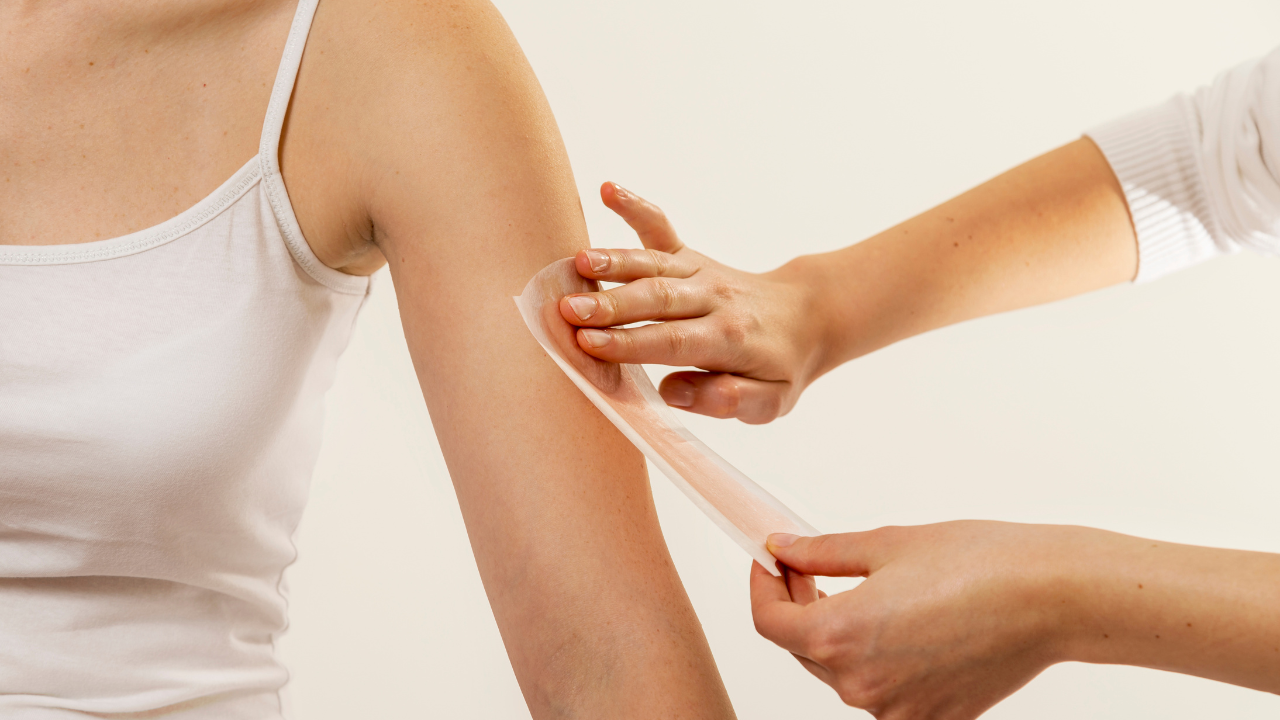
Why Waxing is the Best Hair Removal Method for Beginners
Waxing removes hair from the root, offering longer-lasting smoothness compared to shaving or hair removal creams. It also results in finer regrowth over time, making it an ideal choice for those seeking a cleaner and more polished appearance.
Unlike shaving, waxing eliminates the risk of daily stubble and reduces the chances of cuts. With consistent sessions, hair grows back thinner, softer, and slower—making each session easier than the last.
Essential Waxing Do’s for First-Time Users
1. Let Your Hair Grow to the Right Length
For effective waxing, hair should be at least ¼ inch long. This allows the wax to grip the hair properly and remove it from the root.
Short hair will not stick well, leading to patchy results and repeated application, which increases irritation.
2. Exfoliate Before Waxing
Gentle exfoliation 24 hours before waxing removes dead skin cells and prevents ingrown hairs. It also helps the wax adhere better to the hair instead of the skin.
Use a mild scrub or exfoliating glove to prepare the area properly without causing irritation.
3. Clean and Dry the Skin Thoroughly
Before applying wax, ensure the skin is completely clean, oil-free, and dry. Any moisture or oil can prevent proper adhesion, resulting in ineffective hair removal.
A light dusting of talcum powder helps absorb excess moisture and improves results.
4. Choose the Right Type of Wax
Different areas require different wax types:
- Hard wax: Best for sensitive areas like face, underarms, and bikini line
- Soft wax: Suitable for larger areas like legs and arms
Selecting the correct wax type ensures less pain and better results.
5. Test Wax Temperature Before Application
Always test wax temperature on a small patch of skin before full application. Wax that is too hot can cause burns, while cold wax will not spread properly.
The ideal consistency is warm and spreadable—not too thick or runny.
6. Apply Wax in the Direction of Hair Growth
This step is crucial. Applying wax in the direction of hair growth allows better grip and smoother removal.
Follow with a quick pull in the opposite direction for effective hair removal.
7. Pull the Skin Tight While Removing Wax
Keeping the skin tight minimizes pain and prevents bruising. It also ensures clean removal of hair from the root.
This technique is especially important for sensitive areas.
8. Use Soothing Products After Waxing
Post-wax care is essential. Apply aloe vera gel or a calming lotion to reduce redness and irritation.
Avoid alcohol-based products immediately after waxing as they can cause burning sensations.
Critical Waxing Don’ts You Must Avoid
1. Don’t Wax If Your Skin is Irritated or Sunburned
Waxing damaged or sensitive skin can lead to severe irritation, peeling, and discomfort. Always wait until the skin heals completely.
2. Don’t Skip a Patch Test
Even if you are using a well-known product, always perform a patch test. This helps identify allergic reactions or sensitivity.
Ignoring this step can result in unexpected skin reactions.
3. Don’t Wax Over the Same Area Multiple Times
Repeated waxing over the same spot can damage the skin, causing redness, irritation, and even bleeding.
If hair remains, remove it with tweezers instead of reapplying wax.
4. Don’t Apply Lotion or Oil Before Waxing
Products like oils or creams create a barrier that prevents wax from gripping the hair properly.
Always keep the skin clean and product-free before waxing.
5. Don’t Pull the Wax Strip Upward
Pulling wax upward instead of parallel to the skin increases pain and can cause bruising.
Always pull the strip quickly and close to the skin surface.
6. Don’t Wear Tight Clothing After Waxing
Tight clothes can rub against freshly waxed skin, causing irritation and ingrown hairs.
Opt for loose, breathable fabrics for at least 24 hours after waxing.
7. Don’t Expose Skin to Heat Immediately After Waxing
Avoid hot showers, saunas, and direct sunlight right after waxing. Heat can increase sensitivity and cause inflammation.
Allow your skin to cool and recover before exposing it to high temperatures.
8. Don’t Ignore Aftercare Routine
Neglecting aftercare can lead to ingrown hairs, redness, and bumps. Always follow a proper skincare routine after waxing.
Hydration and gentle exfoliation (after 2–3 days) keep the skin smooth and healthy.
Best Areas for First-Time Waxing
For beginners, starting with less sensitive areas is recommended:
- Arms
- Legs
These areas are easier to manage and help build confidence before moving to sensitive zones like the face or bikini area.
How to Reduce Pain During Waxing
Pain is a common concern for first-timers, but it can be managed effectively:
- Wax after a warm shower when pores are open
- Avoid waxing during menstruation (skin is more sensitive)
- Take deep breaths during removal
- Use numbing creams if necessary
With consistency, the pain significantly reduces over time.
Post-Waxing Skincare Routine for Smooth Skin
Maintaining your skin after waxing is as important as the process itself. Follow this routine:
- Apply soothing gel immediately after waxing
- Avoid sweating for 24 hours
- Start gentle exfoliation after 2–3 days
- Keep skin moisturized daily
This ensures long-lasting smoothness and prevents ingrown hairs.
Common Mistakes First-Timers Make
Avoid these beginner mistakes for the best results:
- Waxing hair that is too short
- Using overheated wax
- Rushing the process
- Ignoring skin preparation
- Skipping aftercare
Correcting these mistakes leads to a far better waxing experience.
Professional Waxing vs At-Home Waxing
While at-home waxing offers convenience, professional waxing ensures precision and less discomfort, especially for sensitive areas.
Beginners may benefit from visiting a professional for their first session to understand proper technique and aftercare.
Final Thoughts on Waxing for Beginners
Waxing is a highly effective hair removal method when done correctly. By following the right do’s and don’ts, we can achieve smooth, flawless skin with minimal discomfort.
Consistency, proper preparation, and aftercare are the key elements that transform waxing from a painful experience into a simple and rewarding grooming routine.
Conclusion:
By mastering these essential waxing practices, we ensure a safe, efficient, and professional-level experience—even as beginners. With time, waxing becomes easier, less painful, and far more effective than any temporary hair removal method.